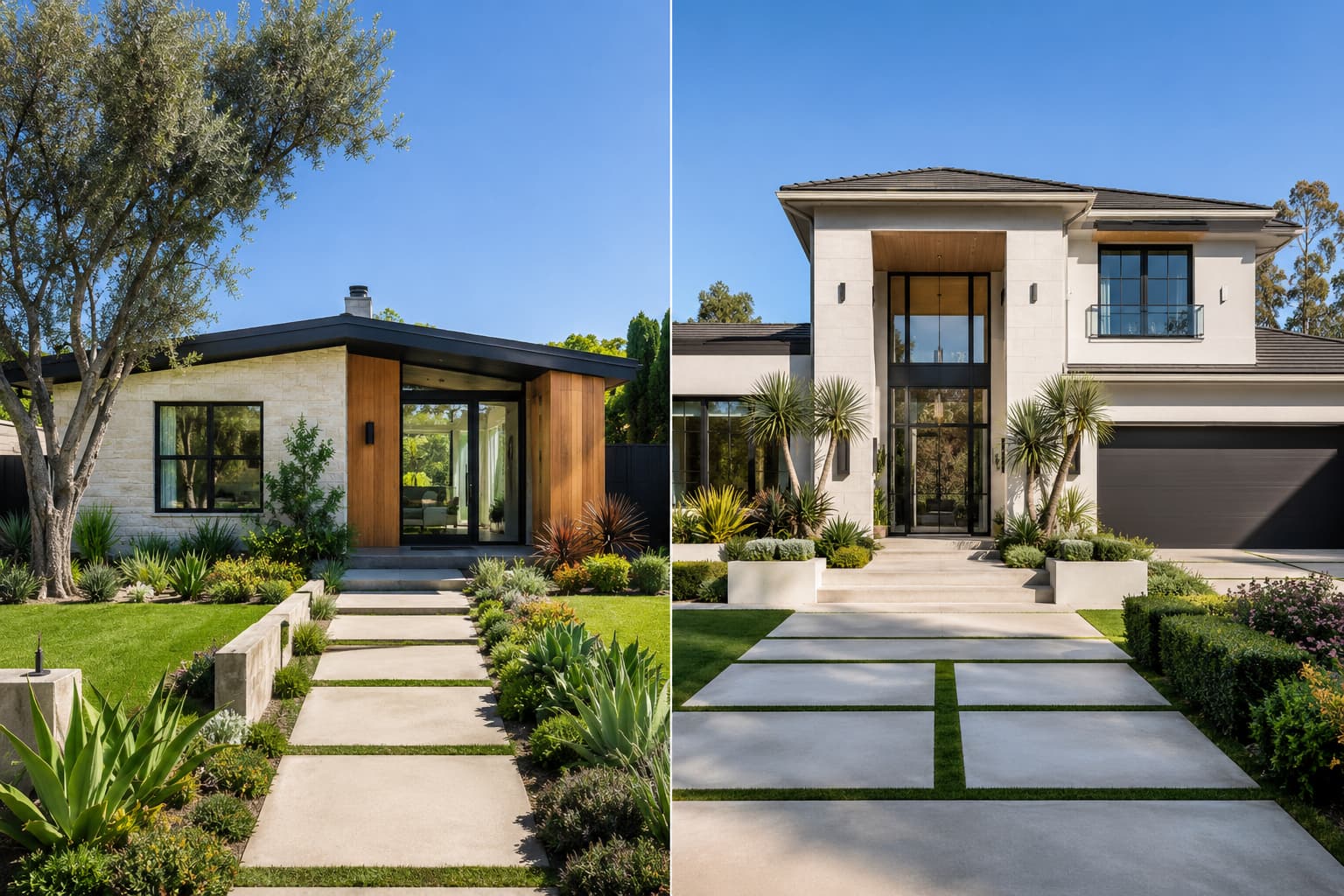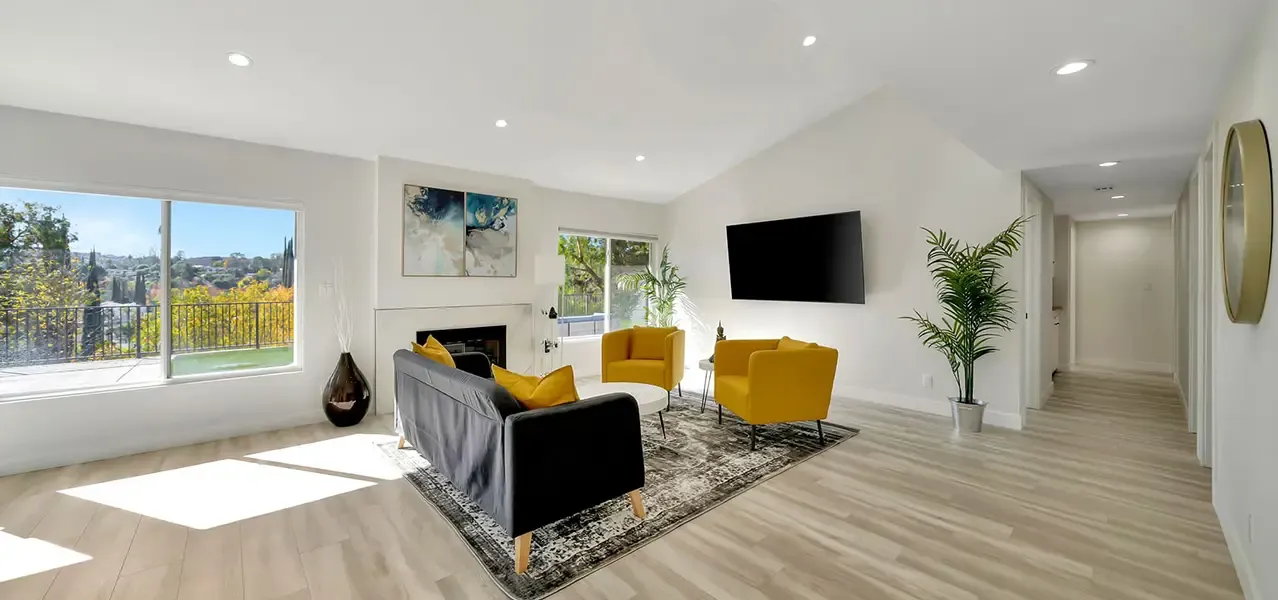
A complete home renovation updates multiple areas of a house through one coordinated remodeling plan. It can involve kitchens, bathrooms, living spaces, bedrooms, structural systems, finishes, and exterior improvements.
For homeowners, a whole home renovation offers an opportunity to solve several problems at once. Instead of completing disconnected projects over many years, you can create a more functional, comfortable, and cohesive home.
A successful renovation starts with clear goals, realistic budgeting, detailed design, and professional project management. This guide explains what a complete renovation includes, when it makes sense, how the process works, and what homeowners should consider before construction begins.
What Is a Complete Home Renovation?
A complete home renovation is a large-scale remodeling project that updates several parts of a home rather than focusing on one room. The scope can range from interior finishes to major systems and structural changes.
Some homeowners renovate nearly every room, while others focus on the areas that need the most improvement. The right approach depends on the property's condition, the homeowner's goals, and the available budget.
A complete home renovation may include:
- Kitchen and bathroom remodeling
- Living room and bedroom improvements
- New flooring, paint, and interior finishes
- Electrical and plumbing upgrades
- HVAC improvements
- Structural repairs or modifications
- Window and door replacements
- Exterior remodeling
For homeowners considering a broader project, home remodeling can provide a coordinated approach instead of managing several separate contractors.
When Does Your Home Need a Complete Renovation?
Not every older home needs a full renovation. However, several conditions can make a whole home project more practical than completing isolated repairs.
Outdated Layouts and Finishes
Older homes often have layouts that no longer match modern lifestyles. Small kitchens, closed-off living areas, limited storage, and outdated finishes can make everyday use less convenient.
A renovation can improve both appearance and function. Walls may be reconfigured, rooms can be opened up, and finishes can be selected to create a consistent design throughout the home.
Multiple Areas Need Repairs or Upgrades
A home may need work in several areas at the same time. For example, an outdated kitchen may need remodeling while the bathrooms, flooring, electrical system, and HVAC also require attention.
Combining these improvements can make planning easier. It also allows the design and construction work to follow one coordinated plan.
Expanding or Reconfiguring Living Space
Growing households often need more usable space. A renovation may reconfigure existing rooms, create larger common areas, or support additions where appropriate.
Before deciding between moving and remodeling, homeowners should consider the property's location, layout, condition, and long-term needs. In some cases, a well-planned renovation can make the existing home work much better.
What Does a Complete Home Renovation Include?
The scope of a complete house renovation varies from property to property. A contractor should evaluate the home and define the work before construction begins.
Kitchen and Bathroom Remodeling
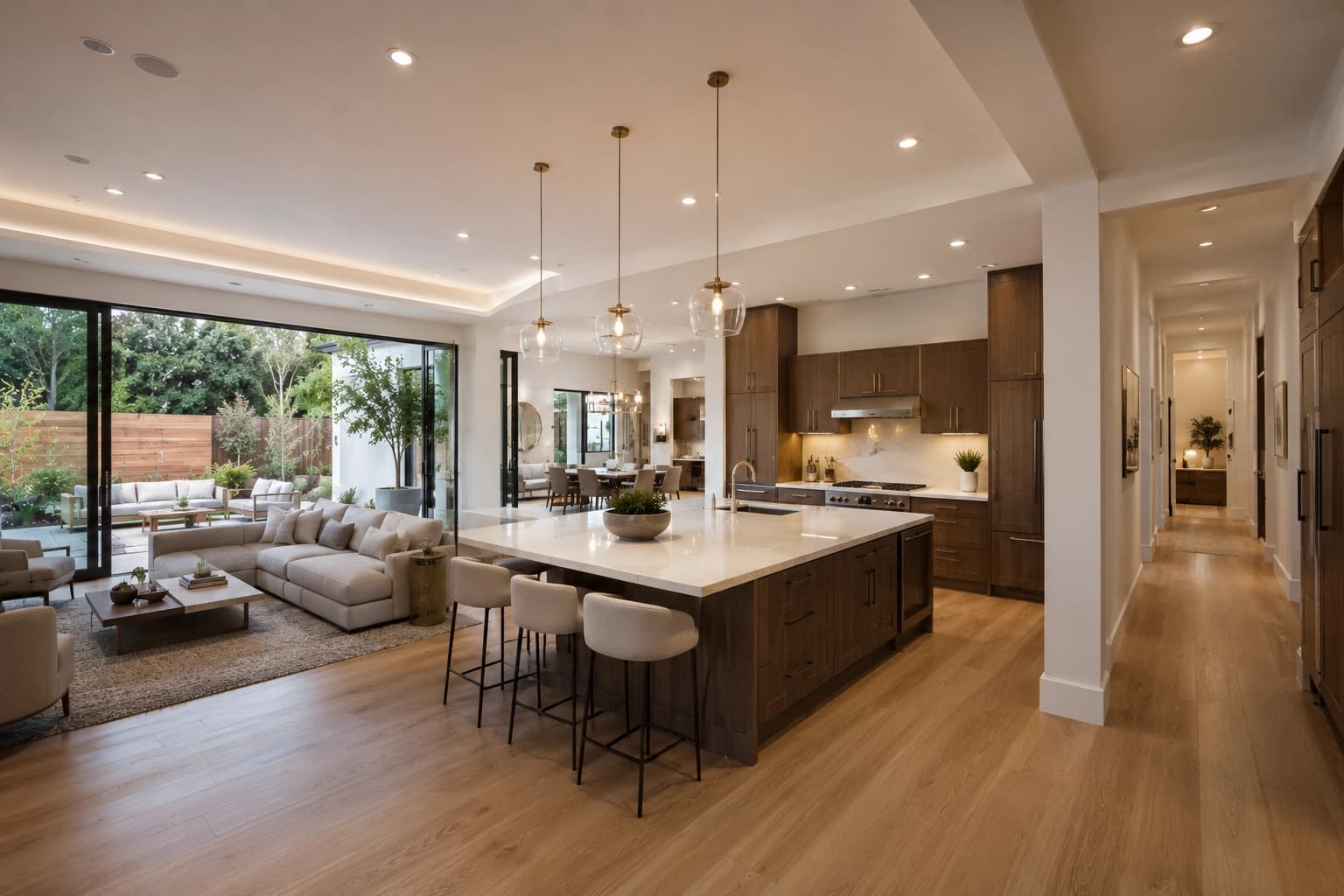
Kitchens and bathrooms are often major components of a full home renovation. Improvements can include cabinetry, countertops, fixtures, lighting, flooring, plumbing, ventilation, and layout changes.
These spaces also require careful coordination because multiple building systems meet in relatively small areas.
Living Areas and Bedroom Updates
Living rooms, bedrooms, hallways, and other spaces can receive new flooring, lighting, paint, doors, windows, built-ins, and storage solutions.
The goal is not simply to make each room look better. A complete renovation should create a consistent flow between spaces while improving everyday functionality.
Flooring, Walls, Ceilings, and Interior Finishes
New flooring and wall finishes can dramatically change an older property. Depending on the design, homeowners may choose hardwood, tile, engineered flooring, new drywall, updated trim, or custom finishes.
If you're considering a particular design direction, reviewing different home renovation styles can help establish a consistent look before materials are selected.
Electrical, Plumbing, HVAC, and Structural Upgrades
A renovation may also address systems that are hidden behind finished surfaces. Electrical rewiring, plumbing improvements, HVAC upgrades, and structural work can improve the home's performance and reliability.
These upgrades should be planned before cosmetic finishes are installed. Otherwise, newly completed surfaces may need to be opened again later.
Exterior Improvements
A complete renovation does not always stop at the front door. Exterior improvements may include siding, roofing, windows, doors, exterior paint, landscaping, patios, or other outdoor areas.
Coordinating interior and exterior work can help create a more unified property while addressing maintenance issues at the same time.
How to Plan a Complete Home Renovation
Good planning can prevent many avoidable problems during construction. Before work begins, homeowners should establish the project's priorities, budget, design direction, and expected scope.
Define Your Goals and Priorities
Start by identifying what you want the renovation to accomplish. Separate essential improvements from features that would simply be nice to have.
For example, structural repairs and outdated electrical systems may take priority over decorative upgrades. Clear priorities also make it easier to make decisions if the project scope changes.
Set a Realistic Renovation Budget
Your budget should account for labor, materials, design, permits, and potential unforeseen conditions. Older homes may reveal issues once walls, floors, or ceilings are opened.
A detailed budget helps you compare options before construction begins. For a deeper look at expenses in the local market, review current guidance on home remodeling costs in Los Angeles.
Develop the Design and Construction Plans
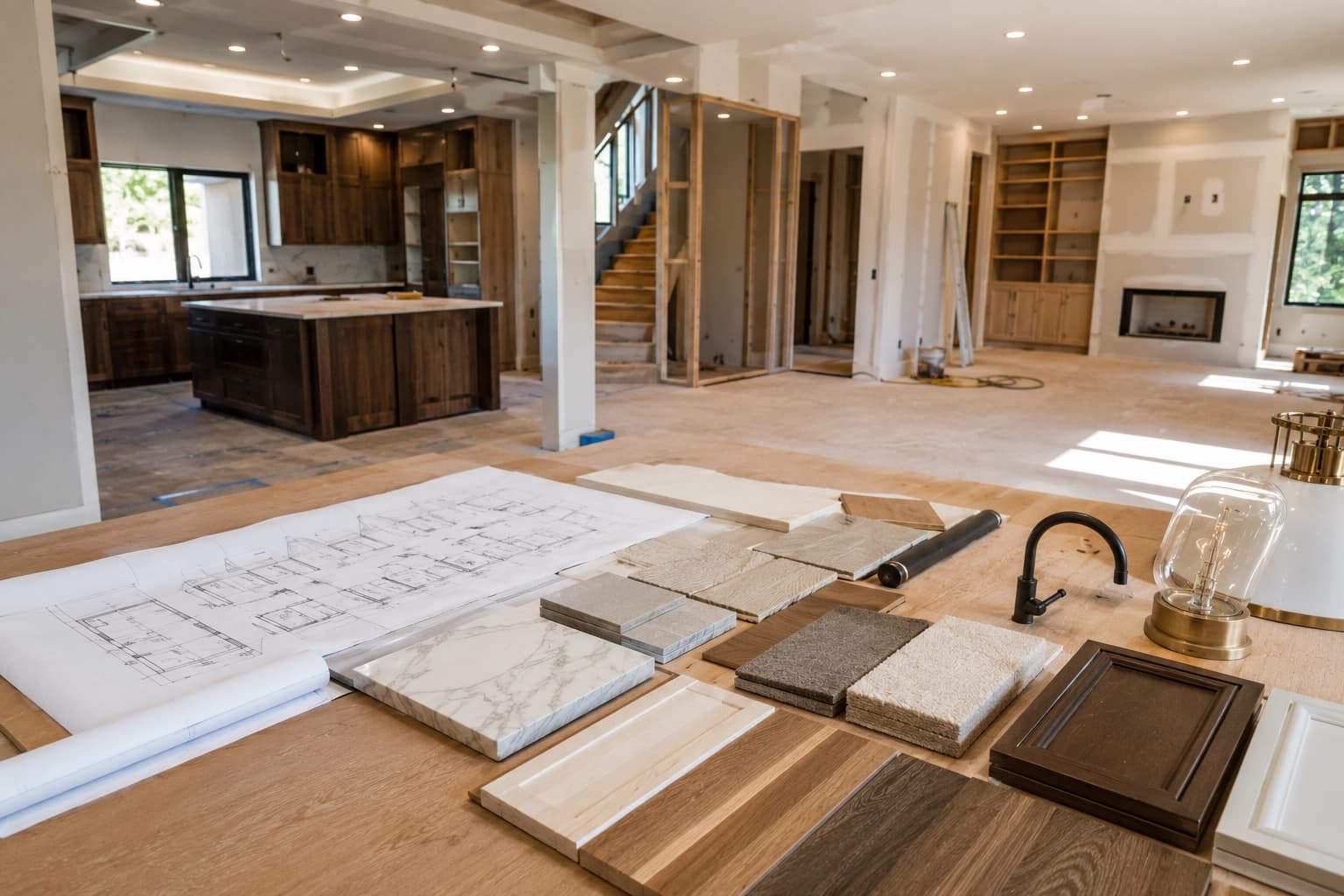
Design should be completed before major construction decisions are made. Plans should define layouts, materials, finishes, systems, and the overall project scope.
Working with one team for design and construction can also improve communication between planning and execution. It reduces the risk of important details being missed between separate professionals.
Understand Permits and Local Requirements
Many renovation projects require permits and inspections, particularly when they involve structural changes or major building systems.
Requirements depend on the project's scope and location. Your contractor should identify applicable requirements and incorporate permitting into the project schedule rather than treating it as an afterthought.
The Complete Home Renovation Process
While every project is different, most successful renovations follow a structured sequence.
Initial Consultation and Home Assessment
The process begins by evaluating the existing property and discussing the homeowner's goals. The team can identify opportunities, potential challenges, and the likely scope of work.
This stage is important because decisions about layout, systems, materials, and budget should be based on the home's actual condition.
Design, Planning, and Permitting
Once the scope is established, design plans and construction details can be developed. Material selections, layouts, project specifications, and permit requirements should be coordinated before construction starts.
A thorough planning stage gives homeowners a clearer understanding of what will happen during the build.
Construction and Project Management
Construction may involve demolition, structural work, system upgrades, installation, and finishing work. Project management keeps different trades and stages moving in the correct order.
Regular communication is especially important during a complete renovation because multiple areas of the home may be under construction simultaneously.
Final Inspections and Project Completion
After construction, remaining details are completed and required inspections are addressed. The finished home should be reviewed carefully to confirm that the agreed-upon work has been completed.
A final walkthrough also gives homeowners an opportunity to identify outstanding items before the project is considered complete.
How Much Does a Complete Home Renovation Cost?
There is no single price for a complete home renovation because costs vary significantly by property and project scope.
Important factors include:
- Home size and existing condition
- Number of rooms being renovated
- Structural changes
- Plumbing, electrical, and HVAC upgrades
- Material and finish selections
- Permit and design requirements
- Labor and project complexity
A renovation involving mostly cosmetic updates will have different costs from one requiring major structural and system upgrades. Homeowners should obtain a detailed project scope and estimate rather than relying on a generic price.
How Long Does a Complete Home Renovation Take?
The Home Renovation timeline depends on the size and complexity of the renovation. A project involving several rooms, structural modifications, permits, and major system upgrades will generally require more time than a primarily cosmetic remodel.
Planning, permitting, material availability, inspections, and construction all affect the schedule. Unexpected conditions can also change the timeline once demolition begins.
The best way to establish a realistic schedule is to develop it alongside the project's scope and construction plans.
Conclusion
A complete home renovation can transform an outdated or inefficient property into a home that better fits your lifestyle. The strongest results come from treating the project as one coordinated plan rather than a collection of unrelated room updates.
Start by defining your goals, assessing the existing home, establishing a realistic budget, and developing detailed plans. From there, experienced project management can help coordinate design, permitting, construction, and final completion.
For homeowners planning a home renovation in Los Angeles, working with an experienced local contractor can make the process more organized from the beginning. Contact Goldenline Construction to discuss your renovation goals and determine the right approach for your home.